“I Don’t Feel Safe”

In episode 10 of Season 11 of the Being Known podcast, Dr. Thompson named something that I instantly honed in on because I’ve experienced it.

Over the last few years, I’ve experienced several instances where someone explained their reaction to an event or moment with the phrase, “I didn’t feel safe.” That immediately appeared to me like a learned expression, something they’ve been educated as a way to express their reaction. Yet, that phrase in and of itself left me with questions. But they were questions I kept to myself lest I upset the person any further or potentially came across as not hearing them or lacking empathy. Frankly, I walked away wondering how best to respond.

Dr. Thompson explains his opinion about the usage of this phrase in this two-minute clip.

“The reality is I don’t know what you mean when you say you feel unsafe.”

I connected with that statement. It feels like the work of repair is somehow all on the other party, but it doesn’t seem clear where to start. Changing the statement to what is actually being felt instead of what is not being felt makes things clearer for both parties.

I’m curious about your experience of either using this phrase or being on the receiving end of it. How do you respond to Dr. Thompson’s thoughts about it?
Receivers are Peacemakers

Two ongoing life wins today: Spiritual Directing and Being Known Podcast Listening

I’m up to episode 9 in season 11, which is entitled “Rupture and Repair.” This episode focused on mastering the art of repair.

23+ minutes into the conversation Curt said this:

Everybody needs the place where you can come and discharge…especially in the presence of someone else who can receive it. We need to know what needs to be discharged can be done in the presence of someone who can receive it.

He goes on to make the connection that everyone who pursues repairing ruptures is actually growing in their ability to be a peacemaker.

A peacemaker can then be someone who is growing in their understanding of how to manage their own ruptures.

A peacemaker is also someone who is a trusted receiver of someone’s responses to their ruptures.

Together peace is pursued.

Together repair is possible after rupture.

Rupture is coming. How can we grow in our response? Who can I lean on to be a receiver in my need for peace?

This was just one of many gems in this episode. Catch the full episode here:

NOTE: Spiritual Directors are receivers and peacemakers. It’s why I keep returning…and winning.

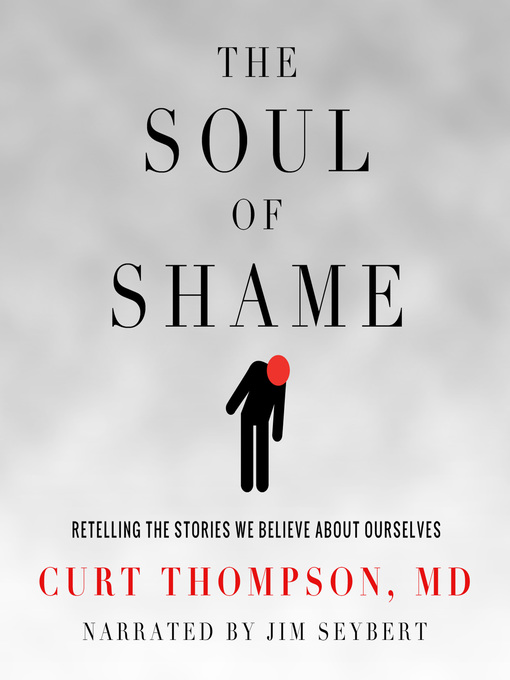
The Soul Of Shame (book review)

I first mentioned Dr. Curt Thompson’s blog Being Known over a year ago in this post: https://johngregoryjr.com/2021/04/25/storytelling-finding-joy/. After listening to the majority of the episodes and hearing references to his books, I finally got around to reading one. Thanks to hoopla, I just finished The Soul of Shame.

Like the podcast, this book is one to be revisited. Like the podcast, it’s not over your head. Like the podcast, it breathes life into its consumer.

We become what we pay attention to.

Chapter 2, How Shame Targets the Mind

If my highlights are an indicator, apparently my attention got stronger as I moved from chapter to chapter. The first four chapters build the case for the universality of shame’s reach. Then starting with chapter five, Thompson explains shame’s role in the biblical narrative, how it impacts our own narrative, and the remedies that produce redemption.

Honest vulnerability is the key to both healing shame-and its inevitably anticipated hellish outcome of abandonment-and preventing it from taking further root in our relationships and culture…To be human is to be vulnerable…God is vulnerable in the sense that he is open to wounding. Open to pain. Open to rejection. Open to death.

Chapters 5 & 6

Thompson declares that shame pushes us into isolation to keep us from pursuing being human, being vulnerable. To counter shame’s work, Thompson encourages us to understand our cloud of witnesses (Hebrews 11-12), pursue nurturing communities, and renew our vocational creativity.

We will not be rid of shame this side of the new heaven and earth; rather, we grow in our awareness of shame in order to scorn it…There is no more significant place for us to counteract shame than in those venues where we spend most of our waking hours. In these places we are called to be agents for creating goodness and beauty, but these are the very places where shame is more than willing to do its most effective work.

Chapters 7 & 8

A word to the church: Thompson believes “the family of God is the crucible in which we learn what real family is about and in which the what and how of education is ideally imprinted into our souls, transforming both our life in our biological families as well as all that we learn about our world and our place in it.” The church gets the opportunity to help people choose between shame and love.

I encourage you, especially if you are in a place of influence and leadership, to read The Soul Of Shame. Shame won’t like you for it. Your soul will.