Self-Compassion

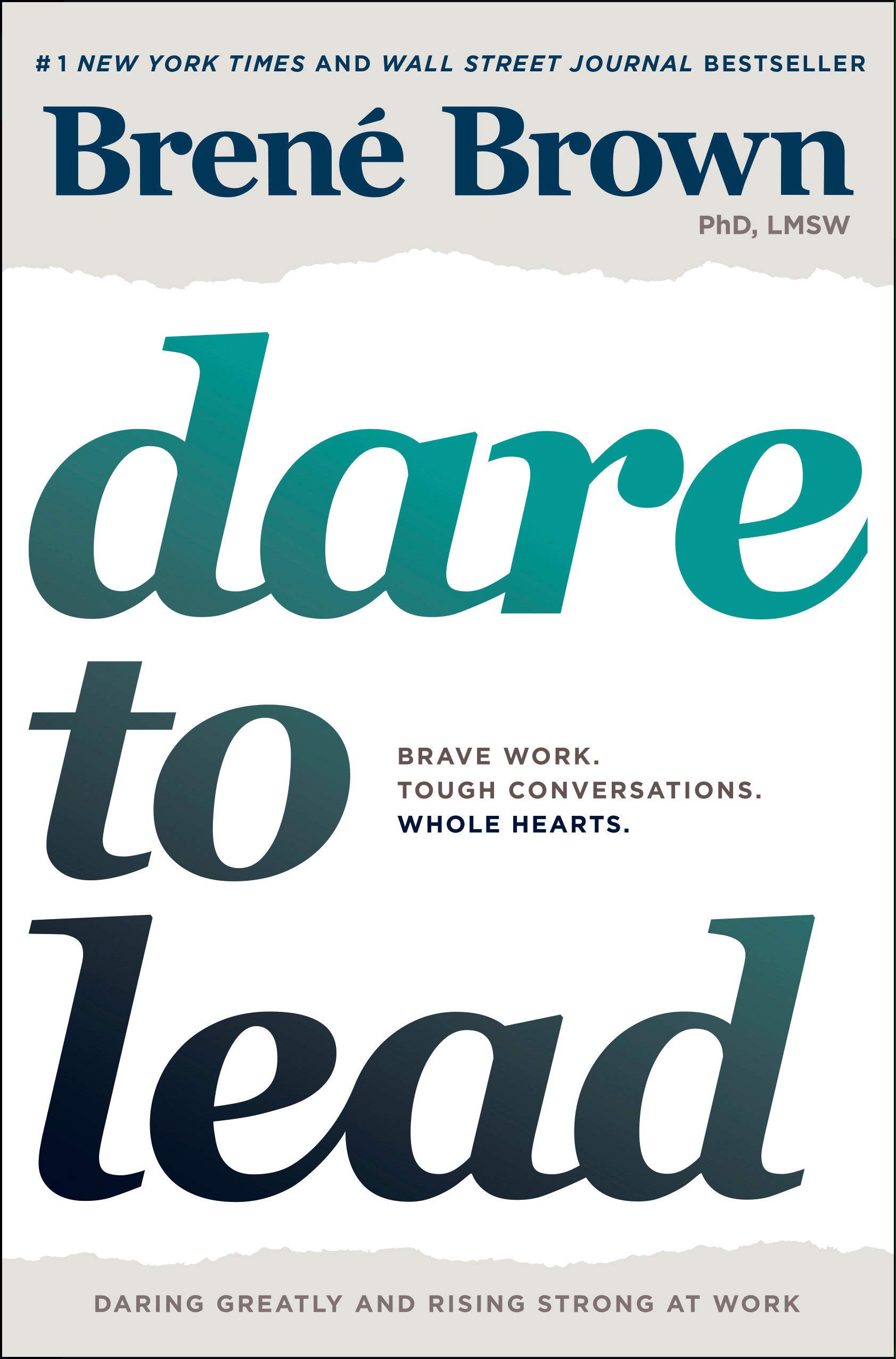
Finished my first Brene Brown book this weekend. 

Walking away with so much. I’ll share my two favorite things in a few posts. Here’s the first one:

Talk to yourself the way you’d talk to someone you love.

This quote came from a section entitled How To Practice Self-Compassion. She shares this definition of self-compassion by Dr. Kristin Neff of the University of Texas at Austin: “being warm and understanding toward ourselves when we suffer, fail, or feel inadequate, rather than ignoring our pain or flagellating ourselves with self-criticism.” Brown translated that definition to her simple mandate.

I’m guilty. Chances are the vast majority of us are. Sharing high criticism like, “John, that was stupid,” or, “You are such an idiot.” I’ve even said recently, before I read this section, that that is how God talks to me because he speaks my language. So, I’m going to go ahead and call myself out. “John, that’s a lie. When you come to him with honest repentance, God doesn’t respond like that. Stop putting God in your shoes. Try stepping into his shoes filled with love for you.”

If you share my tendency, I issue you this 7-day challenge: 

For the next week, listen to your self-talk. When you catch yourself saying something that doesn’t sound like God would say to you, hit the pause button. Restate the sentence how you believe he’d say it. And, just in case you can’t figure it out, ask him. This could be a classic “you have not because you ask not.” Go ahead. Call yourself out for some self-compassion.

We Can All Be Multilingual

In today’s global economy, multilingual skills are in demand. To prepare school-age children for their careers, they are learning multiple languages, not just their primary language. That wasn’t a thing for my generation in the 70s. And in my 51 years of living, it hasn’t been a necessity; so I do not possess those skills. 

There is a reading plan on @youversion entitled Speak Over Me. Each of the seven days considers how God speaks over us; for example, he speaks affirmation, restoration, and healing over us. My reading this morning included this statement regarding his speaking grace over us:

On the cross, Jesus restored all things. He taught us grace and it was a language that, until that moment, we did not understand.

Interesting. Not only does God speak over us, he also teaches us how to speak a language we did not understand previously. How about that? And I’m guessing it’s a language I need, and so does everyone else around the globe.

So what languages can we learn from God, languages that we maybe didn’t understand until he started teaching us? Languages that his Son spoke while here with us in statements like…

  • Neither do I condemn you” – the language of hope
  • I lay down my life for you” – the language of sacrifice
  • They know not what they do” – the language of forgiveness
  • I have come so you may have life” – the language of purpose
  • I know my sheep” – the language of connection
  • As my Father loved me, I have loved you” – the language of love
  • Love your neighbor as yourself” – the language of peace
  • Do not despise one of these little ones” – the language of protection
  • No one can snatch you out of my Father’s hand” – the language of security
  • Be not afraid, only believe” – the language of faith 

When Jesus spoke these words, some understood the language immediately. And their lives were not the same. And they began speaking new languages. They became multilingual in spiritual languages. 

It was needed then. It is needed now. These languages can be taught. They can be learned. We can possess these skills. We can all be multilingual.

Look at Me

“You, O Lord, are the lifter of my head.”‭‭ Psalms‬ ‭3:3‬ ‭ESV‬‬

I witnessed this the other day. Actually, we all do every day. People walking around literally and figuratively needing a head lift. Sometimes it’s the person in the mirror.

When I read this verse recently, a familiar image came to mind. Picture a discouraged child, head down, not wanting anyone to see their eyes, possibly hiding their tears. They’ve been asked several times, “Look at me!” After several refusals, the inquirer gently puts their first few fingers under the child’s chin lifting their head in order to force eye contact. With that gesture, change becomes possible. The child looks into another pair of eyes offering forgiveness, understanding, empathy, strength, hope, protection, peace, or love.

In my relationship with God, I can often forget to allow him to lift my head. I’m satisfied to look down. To see what I want to see. To accept less. To tolerate guilt. To self-protect. To wallow. To be a stubborn child.

This Psalm was written by David in an extremely sad time. His own son was after him. Can you imagine how downcast David was? David helps us see how important it is to allow God to lift our heads. To be Fathered. To see what we need to see. To receive more. To embrace mercy. To drop our guard. To stand tall. To be a changed child. To obey the first time God whispers, “Look at me.”

Blind Believers

I’ve believed a lie all my life. Or maybe it’s a self-made myth. Or maybe an unexplained misunderstanding. Whichever, enough already.

It’s embedded in the lyrics of one of the Church’s most famous hymns. I’ve heard it, sang it, and played it a gazillion times in 51 years, but only recently realized I’ve missed something. Maybe we all have.

Amazing grace, how sweet the sound that saved a wretch like me. I once was lost, but now I’m found; was blind, but now I see.

Christian friend, before you lose your mind, take your hand off your heart. I’m not saying this hymn is a lie. What I’m saying is we’ve believed an implied principle that isn’t truth.

The lie/myth/misunderstanding is found in the word once. Of course there is a before and after at the moment where grace and faith embrace, what we call salvation. Before lost, after found. Before blind, after see. The lie we tend to believe is this: “I’m 100% healed from my spiritual blindness. It’s one and done. I shouldn’t feel susceptible to sinful blindspots ever again.”

Newsflash: That’s a Lie. Acknowledging a general blindness to sin resulting in repentance rarely goes deeper than the surface. New vision is received. But only through growth and maturity are we able to see our deepest need of grace.

I’m 51. I’m still “seeing” for the first time, finding blindspots I didn’t know I had. Envy, prejudice, anger, judgment…on and on. Why? Tons of reasons. Does it matter? Of course, but what I have to admit is pride can keep me from acknowledging they exist. I am still in need of grace to release me from being a blind believer. I will never not need it. Is it available more than once, every time I need it? According to Paul, yes. And that’s why we can call it amazing. It’s there every time we see for the first time.

“When it’s sin versus grace, grace wins hands down.” Romans 5:20 MSG

“Where sin multiplied, grace multiplied even more.” Romans 5:20 CSB

What Are You Waiting For?

Two posts ago, I shared a prayer exercise. Here are a couple of stories from my exercise.

One of my five desires that I listed in my journal was “detection of God’s movement.” Since yesterday, my desire has been granted twice.

  1. Monday morning I woke up and sent this message to a friend: “Not sure why, but you dominated my dreams this morning. I spent much time in prayer for you. God loves you.” Last night they responded, “Thanks, friend!!! Means so much and I was up at 4:30am also after bad dreams. Thank you.”
  2. After my race Monday in WV, I drove to PA to run a race Wednesday morning. On my drive, I decided to search for a massage therapist in hopes to schedule an appointment Tuesday. Just so happens, a chiropractor office was across the street from my hotel. I walked over, and they gave me a referral to a local therapist. Long story short, she only had one hour available today. Not only did she give my muscles what they needed, we also talked the entire hour about church, prayer, God, coaching, and life direction. We both agreed…that hour was an answer to our prayers.

If you haven’t tried the exercise yet, what are you waiting for?

Prison Time

“and had him thrown into prison, where the king’s prisoners were confined. So Joseph was there in prison. But the Lord was with Joseph and extended kindness to him. He granted him favor with the prison warden. The warden put all the prisoners who were in the prison under Joseph’s authority, and he was responsible for everything that was done there.”‭‭Genesis‬ ‭39:20-22‬ ‭CSB‬‬

Well, that sounds fun. I’m sure this was exactly what Josph prayed for, and he went in rejoicing that his prayers once again had been heard. SMH

To this point in his life, it’s hard to imagine that Joseph could have had a clue what his life’s purpose was. Regardless what his spiritual gifts assessment revealed or what an elder suggested was his calling, how in the world do you explain his life experiences to date. Yet constantly scripture reads, “The Lord was with him.”

These verses were in my @youversion devotion today addressing the topic of drudgery. Here are a few lines from the devotional thoughts:

What we call drudgery God calls humble and helpful service to others. Patient and steady toil, honoring God right where he put you, in some ways is just as worshipful as singing hymns in church. If you can do it without complaining, all the better.

“Right where he put you.” That’s a challenge. We allow ourselves to see only prison bars (been there, done that). We may even go so far as to break out of jail and basically snub God by saying, under our breath of course, “You Screwed Up…AGAIN!” That view is a flashing neon sign we have stopped thinking more about others and God than ourselves. Joseph’s prison season was quite short compared to his future season of purpose. He didn’t know that at the time, though. He had to trust God was with him and had actually put him there.

If your facing “prison time,” consider these questions:

  • What’s this season for?
  • What’s your trust level in God’s presence and purpose? 
  • How can you honor God in the next 24 hours right where he put you?

Praying Your Desires

James points out a couple of issues in prayer in chapter four.

You desire and do not have. You murder and covet and cannot obtain. You fight and wage war. You do not have because you do not ask. (James 4:2, CSB)

Issues: Lack of right motive and lack of asking

What if we addressed both issues simultaneously? Here’s a suggestion how:

  1. Write down your top five desires
  2. Ask God to check your motives behind each desire
  3. Edit the list as needed
  4. Then pray over the list

I did this exercise today. Here’s what I realized:

  • What I listed as my desires were not things I have regularly been praying for
  • The act of writing down my desires while asking the Holy Spirit what he thought about them made checking my motives easier and, as a result of having already invited him into the exercise, made prayer a normal, flowing, and immediate outcome

Give yourself fifteen minutes to try this exercise this weekend and see how yours goes. Let’s go after praying our desires.

Never Let Him Get to Three

Yesterday on a coaching call an observation was made about a parenting technique. Well, it was more than a observation-more like a self-aware acknowledgement of what not to do.

He noted that several years back he caught himself using the “I’m going to count to three” approach to foster obedience. And for his parenting, he decided this wasn’t working. It was sending a message he didn’t want to send.

This observation wasn’t the topic of the conversation, but it generated a question in connection to the conversation that wouldn’t have been made otherwise. Using the imagery of a parent/child relationship, imagine the Holy Spirit is the parent and the believer is the child. The question is, would the Holy Spirit count to three? If so, what does that say about the relationship? If not, what does that teach us about obedience or about quenching the Holy Spirit?

One could say freewill is a form of counting to three. “Go ahead. Make any choice you want. If it’s not the best one, I’ll be right here when you get back.” One could also say that the longsuffering, mercy, and grace of God is his way of counting to three. I’m not going to argue against either of those views…or others that align with God’s character.

My reflection has led me to a more personal response to this unusual question. While I’m grateful God doesn’t bonk me on the head every time I allow the counting to begin-and maybe go on and on and on-my life experiences have taught me to pursue a quicker response to spirit-led directions and promptings that reflect alignment and obedience. I’d rather not hear the tone of the counting voice, especially not from my grieving Father. But when I do, my aim would be to shorten my response time so that he doesn’t get to three…ever.

The “Right” Quest

I just finished reading Boundaries For Your Soul by Kimberly Miller and Alison Cook. Chances are, since you’re human and created with a soul, you will glean help for your life when you read this book.

Questions you could ask yourself that would indicate so:

  • Are there emotional parts of me that I don’t like?
  • Are there emotional responses I have that I don’t understand?
  • Is there something I’m burdened with that needs resolution?
  • Do my prayers about these things seem unheard or useless and have left me wondering if God cares?

We’ve all had these questions. These ladies have some help for us in their work.

An example from the last chapter entitled “Boundaries With Challenging Parts of Others” involves some insight based on brain science. They discuss the difference between the “thinking” brain and the “emotional” brain. In their discussion they show how important it is to know the difference and to achieve the balance possible when both brains work together. The quote I found intriguing was actually from another Christian psychiatrist’s, Curt Thompson, book Anatomy of the Soul.

We are more interested in knowing right from wrong (a dominantly left-brain hemisphere function used to cope with fear and shame) than knowing God, which requires the integration of all parts of the brain. Our quest to be “right” – a cognitive activity – can actually keep us from deep connection and a holistic knowledge of God and others.

Oh, how many Christians need to be done with the “right” quest, including me.

See what I mean now? Get your hands on this book and see what other insights await you.

Loss & Pain & Redemption

About a month ago, I walked through a situation that I could only explain with one word: sad. So when I came to chapter 11 entitled “Boundaries with Sadness” in the book I’m reading (Boundaries For Your Soul), I was ready. 


Of my many highlighted quotes in the chapter, this was the most helpful:

It’s helpful to think of the causes of sadness in three categories: sadness as a response to the loss of something good, the loss of something bad, and the loss of what might have been.

Categories one and three I get and I’ve used to befriend my personal sadnesses recently. But category two tilted my head…until I read Maria’s story. 

Maria, a bright woman, dated an abusive, addicted man for four years. When asked, “What keeps you from leaving?” she answered honestly, “I don’t want to face the pain.” She had given four years of her life to loving someone who had hurt her repeatedly. A part of her didn’t want to accept the reality that she had wasted so much time on a destructive, dead-end relationship. So she was choosing the pain she knew over the pain she didn’t know – and was missing an opportunity to move forward with her life.

I instantly understood category two. Choosing the pain we know can be crippling. Most likely we don’t know this is what we are doing until someone or some happening makes it clear to us. The strength and comfort when we allow the Spirit of God to assist us in facing that unknown pain is worth embracing to free us to move forward and start over. 

However long it takes, the freed life-found by trusting God to help us face the unknown pain-awaits us. Rather than run from the sadness, we should turn into it. Why? Here’s a final quote from the chapter:

Pain becomes redemptive when it causes you to draw near to God and experience his power.